
DTF Print Peeling or Cracking: What to Check First
Record lifted DTF edges, cracks and garment-care history for a useful assessment. Learn what to photograph and discuss before attempting a repair.
If a DTF print starts peeling, photograph the whole garment and affected edges, and record when the issue appeared and how the shirt was cared for. Similar symptoms can have different causes. Ask the producer to assess the evidence before reheating or pulling at the print.
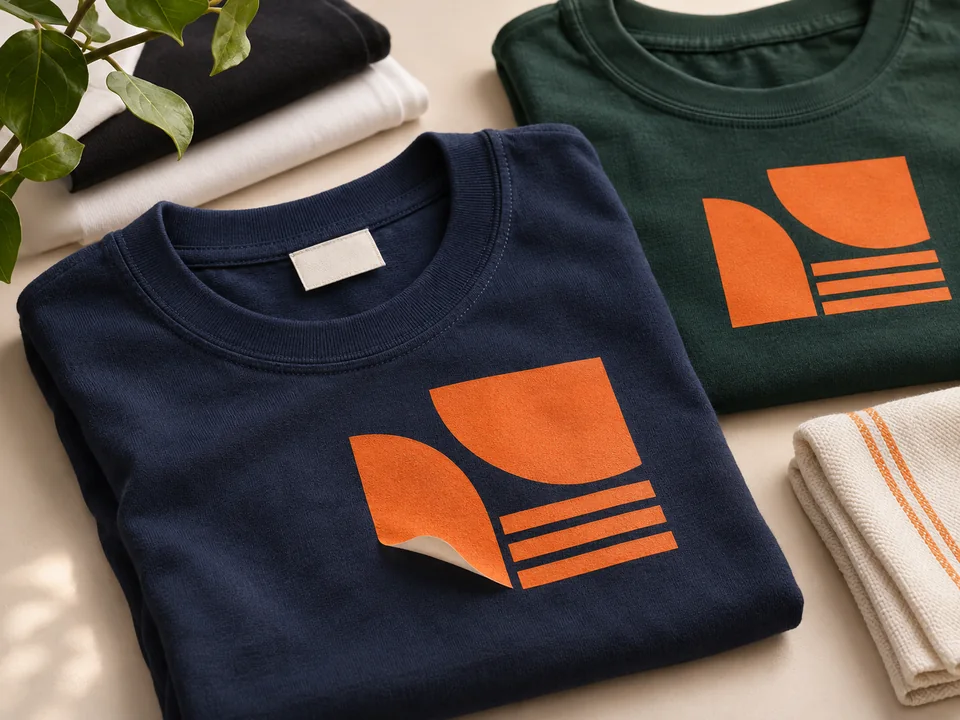
Describe the visible symptom before naming a cause
Peeling can mean a lifted edge, a line of cracking or an area separating from the fabric. Identify whether it affects an edge, lettering or a solid panel, and whether one or several garments are involved. The location helps focus the assessment.
Take a full-garment view and close photographs in clear light. Retain the garment as found before pulling or removing the affected image. A detached fragment alone gives less information about the original fabric and print relationship.
| Observation | Photograph | Supporting detail |
|---|---|---|
| Lifted edge | Print edge with surrounding fabric | Before or after washing |
| Cracks | Whole design and close view | Areas frequently stretched or folded |
| Partial separation | Original position on the shirt | Number of affected garments |
| Changed colour or feel | Several views in normal light | Drying, ironing and detergent history |
Record when it appeared and how it was cared for
Separate issues seen on receipt from those noticed after wearing or washing. Record the wash method, temperature setting, drying and any ironing near the print. If laundry is handled by a service or internal department, request the actual process used.
Wash count is useful context, not a universal durability promise. Garment, transfer materials, production and care all belong in the assessment. Look at the physical condition alongside the history rather than using one number to diagnose every print.
Consider the garment, image and application together
An adhesion issue may require examination of the fabric surface, transfer materials and application process. Marks at folding or rubbing points also need their usage context. Similar-looking symptoms do not establish a single cause from the first photograph.
Start with the garment model, artwork and order information. For a MIREN order, provide its reference or the original order contact so the team can connect the evidence to the relevant specification and discuss the next assessment step.
Follow both garment and print-care instructions
Read the garment label alongside the print-care guidance. Choose a gentle washing approach and avoid scrubbing the image. If instructions appear to conflict, ask what is suitable for that particular garment before applying heat.
Distinguish ironing the fabric from pressing directly onto the image, and follow the applicable drying guidance. A production setting found online may not suit the transfer on your shirt. Preserve the condition for assessment before attempting a heat repair.
Pass care instructions to whoever does the washing
Hotels, restaurants and organisations using shared laundry should give the guidance to the actual laundry operator. Keep garment model and care details in the order record. For multiple affected shirts, identify whether they share a laundry batch, garment model or print position.
For a future order, bring real usage observations to the discussion about fabric, print dimensions and placement. Focus on the issue found rather than changing every variable at once and losing the ability to compare results.
Send an evidence-based issue report
Supply the facts and photographs without needing to diagnose the cause yourself. State how many shirts are affected and whether other garments from the order remain normal. Comparisons between worn and stored items may help the assessment.
MIREN can use the relevant order details when discussing garment inspection and next steps. This article provides an evidence checklist rather than setting a universal warranty, compensation period or repair promise.
Before you contact a printer
- Whole-garment and close edge photographs
- First occurrence and affected quantity
- Actual washing, drying and ironing process
- Garment model and order reference
- Garment retained before attempted repair
Frequently asked questions
Does peeling prove a production error?
The garment and usage history need assessment. Fabric suitability, materials, application and care may all be relevant to the symptom.
Should I iron a lifted edge back down?
Ask the producer to review photographs first. Appropriate heat and pressure depend on the actual transfer and garment.
What photographs are useful?
Include the whole garment, the affected area and close views of the edge with surrounding fabric in clear light.
How many washes are guaranteed?
This guide sets no wash-count guarantee. Durability depends on garment, transfer materials and care; discuss terms for the actual job.
What if only some shirts are affected?
Record the affected quantity, garment models, positions and laundry history, plus the condition of other shirts from the order.
What should change on the next order?
Use the observations to assess fabric, coverage, position and care together before deciding which variables to change.