
Promotional Logo Shirts: Plan a Useful Brand Giveaway
Plan promotional T-shirts around recipients, fit, logo coverage and size allocation. Prepare a clear DTF quotation brief for brand giveaways from 15 pieces.
Useful promotional shirts start with recipients and when they might wear the garment. Select the shirt, sizes and brand design together, keep giveaways separate from staff allocations and request an assessment of the actual DTF artwork. MIREN orders start at 15 pieces.
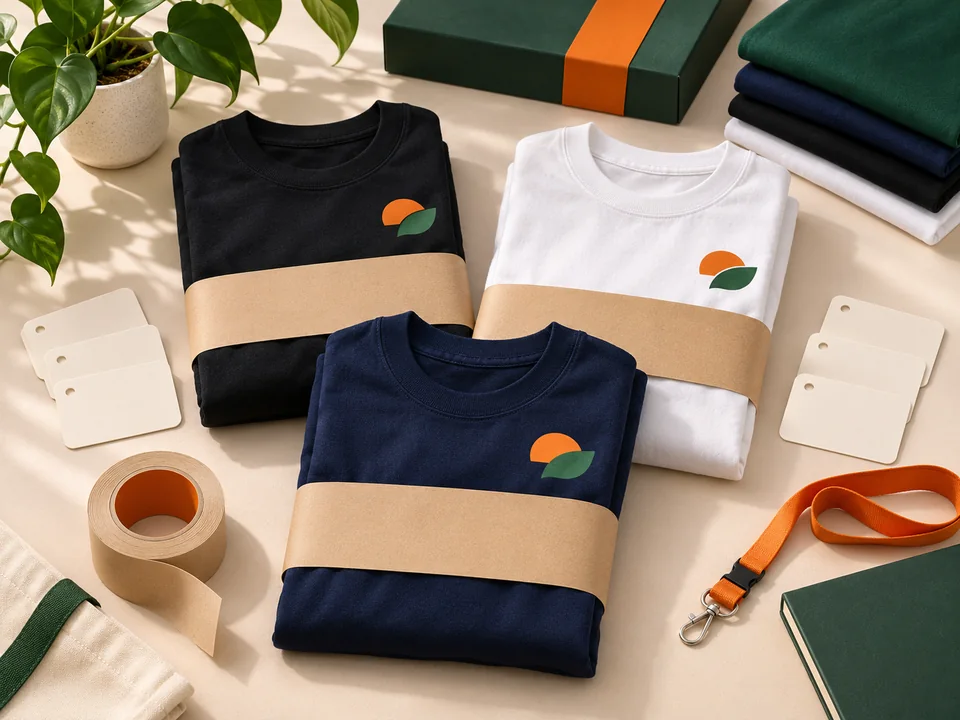
Identify who receives the shirt and how it will be used
Regular customers, event participants and business partners may value different garments. Define the purpose first: a thank-you gift, a shared activity shirt or event merchandise. Choose a garment the recipient has a reason to use beyond the handover.
Premium is a search term, not a fabric specification. Fit, material, colour and design provide a more useful basis for deciding. Connect any quality claim to the actual garment model being considered.
Make the logo work as part of a wearable shirt
Review front and back views to identify the main focal points. For varied everyday use, consider a proportionate logo and a focused event message. Several competing graphics can make the design harder to use outside the event.
Decide whether a year or campaign date is important before finalising the artwork. A commemorative shirt and an evergreen brand garment have different design goals. Neither choice needs an invented claim about how often recipients will wear it.
Base size allocation on available recipient information
If recipients are known, collect sizes against the chosen model’s chart. For walk-up giveaways, organisers can plan an allocation from attendee information or previous events, while identifying estimates separately from confirmed demand.
The table below separates the source of the allocation from what should be recorded. Actual distribution data can then improve the next project instead of disappearing after the event.
| Recipient group | Size information | Record to keep |
|---|---|---|
| Named customers | Ask against the selected size chart | Confirmed sizes and actual quantities |
| Registered participants | Organiser registration information | Size totals and closing date |
| Walk-up recipients | Organiser’s planned allocation | Estimated and actual distribution |
Compare order scope before fixing a budget
A quotation brief should list garment model, size quantities, front and back files, dimensions and colour versions. Individual names or numbers are additional work and carry an extra charge. Supplying that detail early makes options easier to compare.
MIREN quotes each project individually rather than publishing a fixed price list. If special packaging or recipient-based grouping matters, identify it as a request for assessment rather than assuming it is included.
Measure what the project can actually track
After distribution, record quantities handed out, sizes left over or missing, and feedback on fit. Those observations help the next allocation without assuming that every shirt creates a sale.
If the project uses a link or QR code, choose the landing page and its owner before production. Keep visits or actions separate from shirt distribution: handing over a garment and completing a campaign goal are different events.
Send the brand-giveaway brief for assessment
MIREN runs in-house DTF printing in Nonthaburi and sources ready-made garments for suitable projects from 15 pieces. Send the garment reference, artwork and required receipt date to begin an assessment with the information available.
Where a project includes staff shirts and giveaways, identify the two allocations and their artwork approver. Retain the approved file and actual size distribution to make a future order easier to specify.
Before you contact a printer
- Purpose and recipient group
- Garment, colours and size allocation
- Artwork versions and dimensions
- Confirmed quantities separated from estimates
- Receipt date, destination and approver
Frequently asked questions
Can staff and giveaway shirts share a design?
They can be assessed together, with each recipient group, quantity, size allocation and artwork version clearly separated.
How do I choose sizes for unknown recipients?
Organisers can use available attendee information to plan a mix, label estimates clearly and retain actual distribution data for next time.
Does a larger logo make people wear the shirt more?
Choose dimensions around garment proportions and recipient use. Compare actual-size references rather than predicting behaviour from logo size alone.
Does a premium shirt require one particular fabric?
Start with fit, material and intended use. Send a preferred model for stock and DTF suitability assessment.
Is there a published package price?
MIREN quotes individually according to garment, quantity, print size, positions and additional requirements.
What helps a future promotional order?
Retain the garment code, approved artwork, print dimensions and actual size demand. Repeat orders start at 15 pieces.