
DTF on Polyester: Recognise Dye Migration Before Ordering
Understand unwanted tinting in light DTF prints on polyester, distinguish it from other color issues and prepare the garment information a printer needs.
Dye migration is one possible reason a light print on polyester develops an unwanted tint. The garment’s dye can affect a decoration during or after heat application, so the actual shirt and transfer combination needs assessment. A color change alone does not establish the cause. Before ordering polyester team shirts, identify the garment, show the proposed artwork and ask how compatibility will be checked for that specific job.
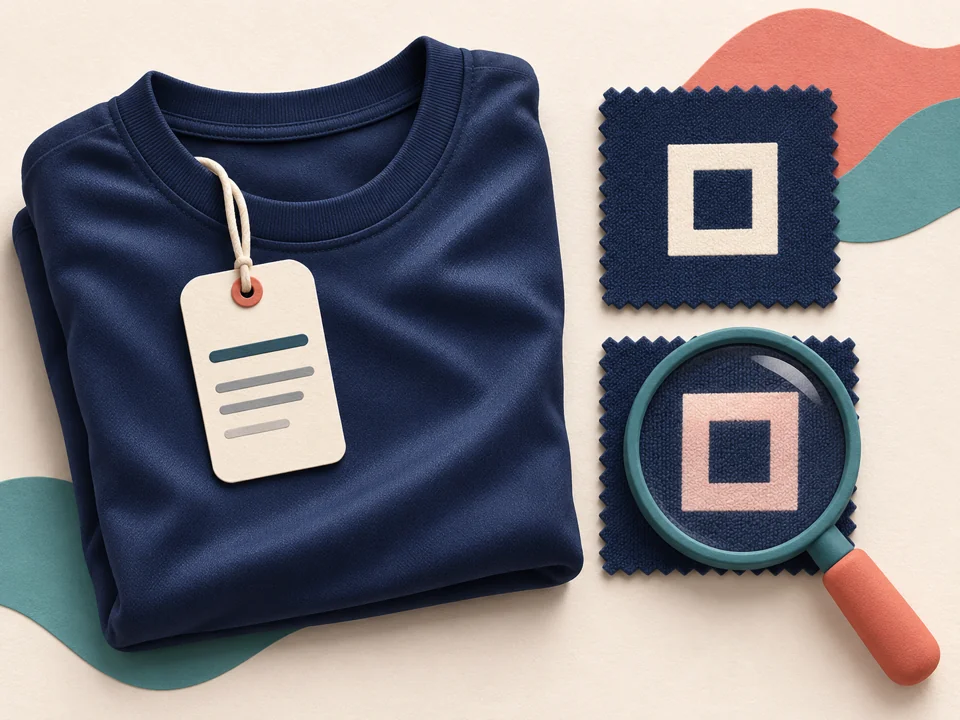
What dye migration means for a shirt buyer
Dye migration is movement of dye from a garment into an adjacent decoration. STAHLS’ explains this problem for dyed and sublimated polyester, including garments that respond differently when exposed to heat. Its handbook is useful background on the material issue; it is not a universal DTF application recipe. For DTF specifically, equipment manufacturer MEST describes unwanted tinting of light designs as one possible symptom, while warning that other causes can also affect color.
From a buyer’s perspective, separate the garment color from the intended print color. A white emblem taking on an unwanted tint is different from a brand orange that looked brighter on a phone. The first needs a material-and-process investigation; the second may require a color-reference discussion. Explain what changed, when it was noticed and which garment was involved rather than labelling every difference as the same fault.
STAHLS’: dye migration handbook; material background
MEST: DTF dye migration symptoms and alternative causes
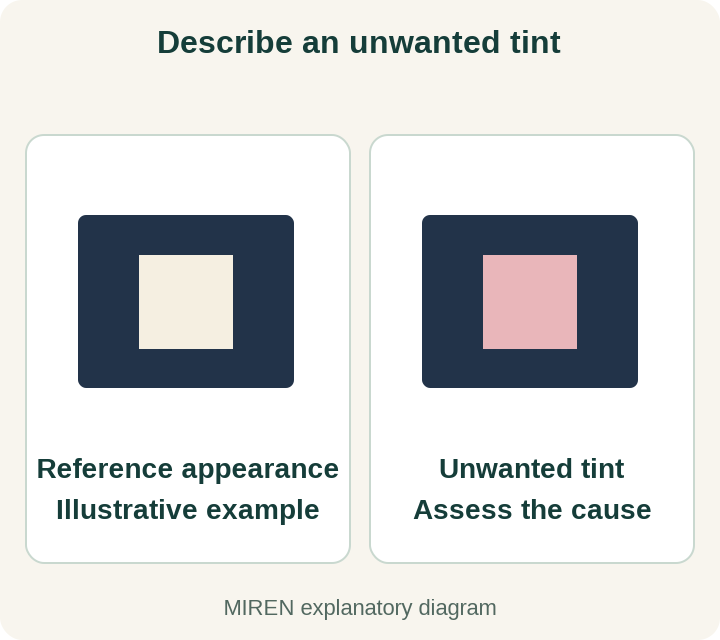
Identify the actual polyester garment
Collect the garment brand or supplier reference, model, composition label, color and any information about how its pattern was produced. A general phrase such as “sports fabric” leaves too much unknown. A solid-colored garment and a patterned or sublimated garment may need different consideration, and two polyester shirts should not be treated as the same material just because their labels contain the same fiber name.
Send clear photographs of the outside, inside and label where useful, and explain whether the shirt is new, previously worn or already decorated. Keep one actual item available if the printer needs to assess it. MIREN has experience with polyester, but that does not substitute for reviewing a new style or print position. For Polo shirts, the actual model and placement are assessed as part of the job rather than accepted from a generic silhouette.
For a multi-branch team, ask each coordinator to confirm the garment model before grouping requests. Similar-looking navy shirts can come from different purchasing sources. Keep these references separate in the list until the printer confirms which combinations an assessment covers. That makes it possible to connect later observations with the right garments instead of treating every shirt in the team as one interchangeable material.
Describe the symptom without jumping to a diagnosis
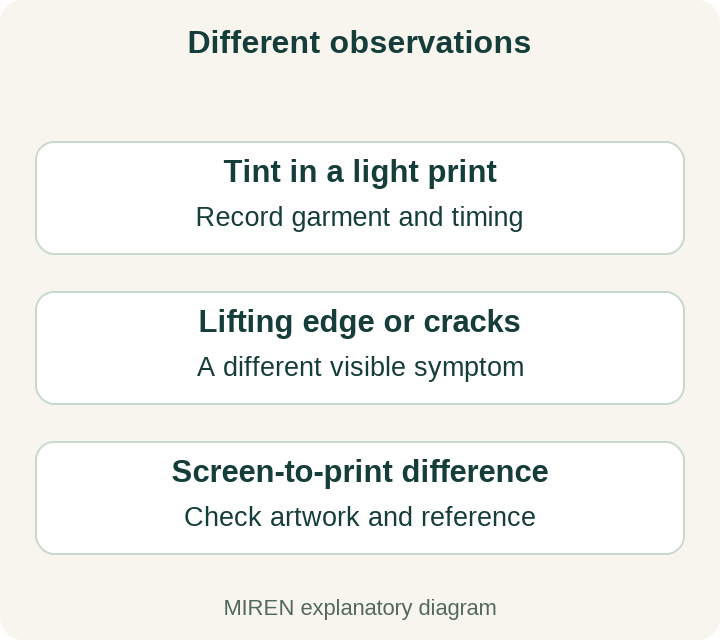
Record which part of the design changed. Is the light area tinted, does the garment pattern seem visible through it, or does the print simply differ from the approved artwork? State whether the observation was made immediately, after cooling, during storage or after washing. Include how the garment was handled, but keep the observations factual. Timing can guide a printer’s investigation without proving the cause on its own.
Also distinguish discoloration from a lifting edge or cracked surface. Peeling is a different visible symptom and is covered in our separate DTF troubleshooting guide. A photo taken under warm lighting can introduce another apparent color change, so provide an even-light comparison where possible. Keep the garment and approved file available. The aim is to give the printer evidence it can work with, not to make a technical diagnosis from a single compressed chat image.
| Observation | Useful evidence | Next discussion |
|---|---|---|
| Unwanted tint in a light print | Garment identity and timing | Material/process assessment |
| Lifting edge or cracks | Close view and handling history | Adhesion/aftercare assessment |
| Different appearance on screens | Original artwork and reference | Color-reference discussion |
Check alternative explanations before changing the process
A tinted appearance, insufficient coverage, a changed artwork file and a display difference are not interchangeable descriptions. MEST’s DTF guidance specifically notes that ink output, film, adhesive powder, application and contamination can also affect appearance. This is why a buyer should avoid prescribing a new press setting based only on an online example. The printer needs to review the actual materials and process together.
Ask for the finding in practical terms: what was checked, which explanation is supported and what option is being proposed for the order. If a replacement garment or artwork adjustment is suggested, ask how it changes the approved result. Keep one change identifiable at a time so the comparison remains meaningful. A clear explanation is more useful than a blanket promise that polyester is always safe or that every light print on a dark shirt will have the same problem.
Ask what compatibility assessment can be arranged
Before a full order, discuss the available way to assess the chosen garment and design. Where a test piece or sample is proposed, agree the actual materials, what will be observed and any cost or timing. The observation should relate to the garment that will be ordered, not an unrelated sample that happens to contain polyester. Confirm the available arrangement with MIREN before including it in the order plan.
Ask how the assessment accounts for the intended use and relevant material instructions. A quick photograph of a newly applied print is a different record from an agreed follow-up observation. Keep both clearly identified where applicable. Do not invent your own accelerated heating or washing test and treat it as a universal standard. A specific product’s instructions or the printer’s confirmed assessment method should guide the actual process, with any limitation made clear before approval.
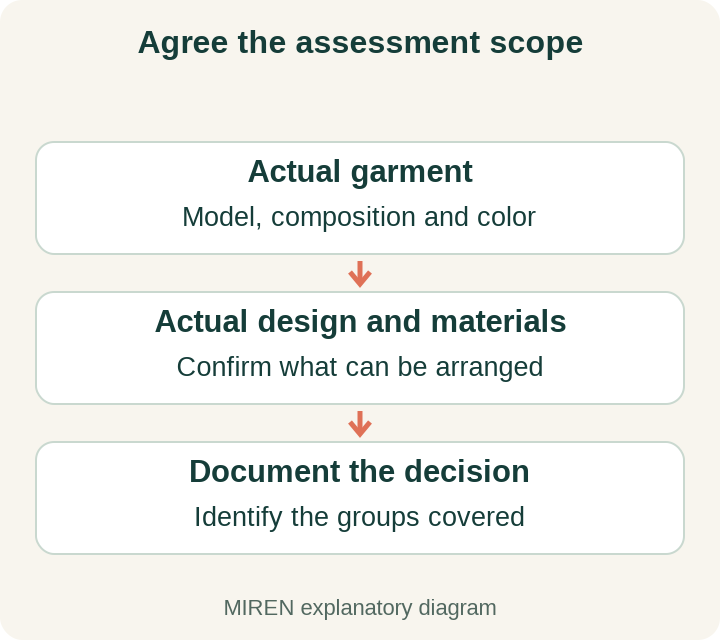
Discuss options as separate decisions
Possible next steps may include reviewing the garment choice, the transfer system or the layout. Treat each as an option to assess, not as a guaranteed remedy you can order by name. A material marketed as low-temperature or dye-blocking still has its own compatibility and application instructions. For example, STAHLS’ UltraColor MAX information explicitly notes a dye-migration limitation for that product. Do not assume every DTF material provides the same protection.
Ask MIREN which transfer materials and process options are available for the actual garment, then keep the agreed choice with the artwork record. If a different shirt is proposed, check the fit, color, stock and effect on the team’s approved appearance. If the artwork is changed, keep the revised file and review its readability. An alternative should solve the buying requirement as a whole rather than silently replacing an important brand or garment decision.
Keep the comparison record useful for the whole order
Save the garment identifier, relevant label information, artwork version, proposed print position and the assessment or sample notes. Identify who approved the selected combination and what limitations were discussed. If the order contains different garment colors, ask which groups the assessment covers; a conclusion about one item should not silently become approval of every other item in a mixed order.
Use that record when checking the received shirts or discussing a later concern. Send the affected garment reference and a description of the observed change instead of starting again with only “the white looks wrong.” Preserve an unaltered example where possible and ask the printer how to proceed before reheating or attempting to remove the decoration. For a reorder, have current stock and material compatibility checked again rather than assuming the previous record automatically answers every new question.
Prepare a polyester DTF request for MIREN
Send the proposed garment model and composition information, shirt colors, original logo, desired positions and size quantities. Explain whether the design has important white or light areas and whether an exact brand reference is central to the decision. Give the intended activity, required receipt date and destination. These details help MIREN assess the actual request and discuss suitable next steps before final artwork approval.
MIREN PRINT offers in-house DTF printing in Nonthaburi for orders from 15 pieces, with individual quotations. Cotton and polyester experience is part of its confirmed service background, while a new garment still needs job-specific assessment. Resolve material questions before confirming the final brief and schedule. If you are mainly comparing how fabrics feel or how to choose a team shirt, use our fabric-selection guide alongside this more specific explanation of unwanted tinting.
Before you contact a printer
- Garment model, composition label and each color
- Original artwork with light areas identified
- Print positions and size quantities
- Observed symptom and timing, if investigating a problem
- Assessment requirements, receipt date and destination
Frequently asked questions
Does polyester automatically cause a DTF problem?
No. Polyester is a material category, not a diagnosis. Suitability depends on the actual garment and printing combination, which should be assessed for the order.
Can I fix an unwanted tint by pressing the shirt again?
Do not choose a remedy from the color alone. Keep the garment available and ask the printer to assess the cause and materials before applying more heat or attempting a repair.
Does a successful check on one shirt cover every color?
Confirm the scope explicitly. Different garment colors, models or patterns may need separate consideration; record which items were included in the assessment.